Technology
Features
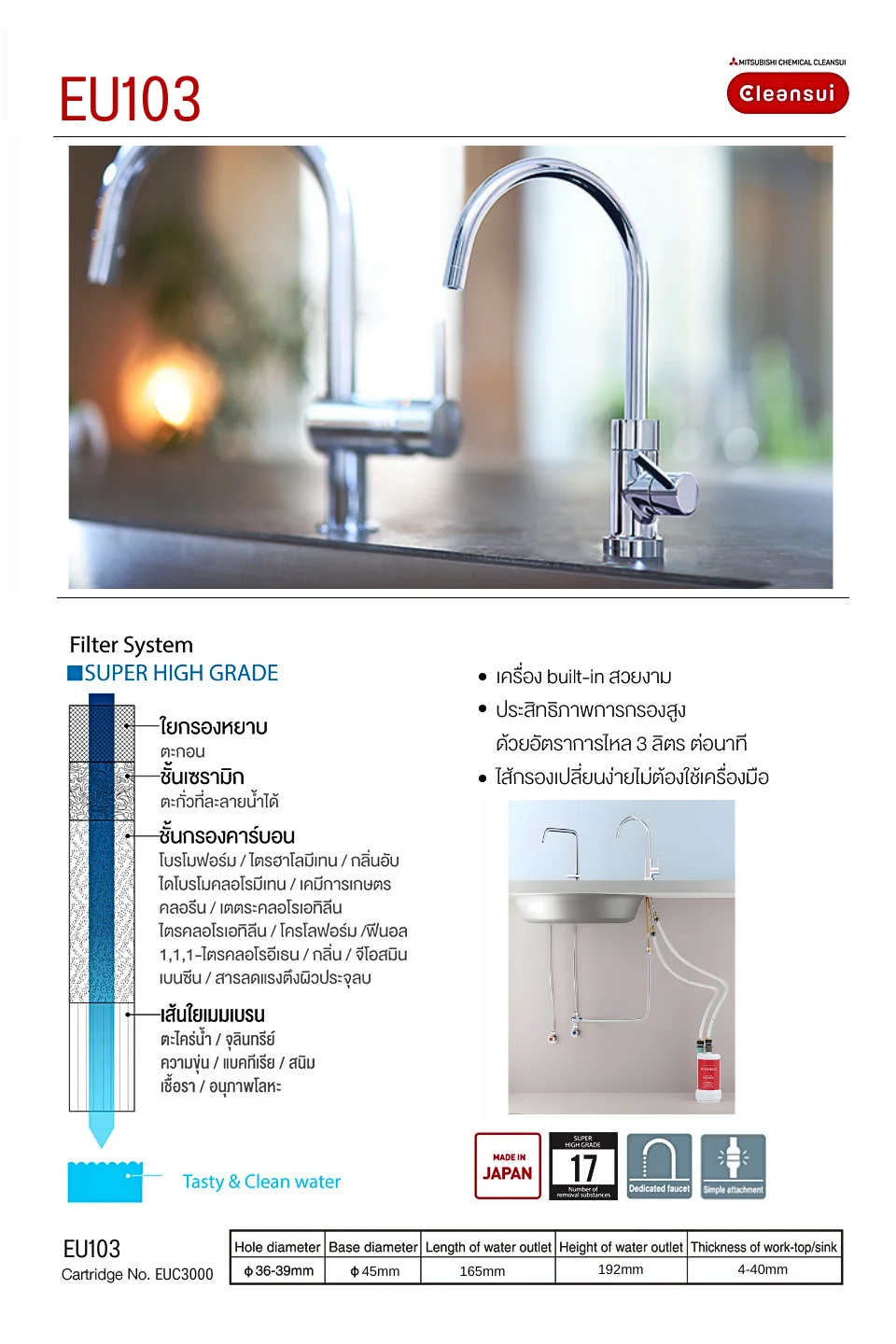
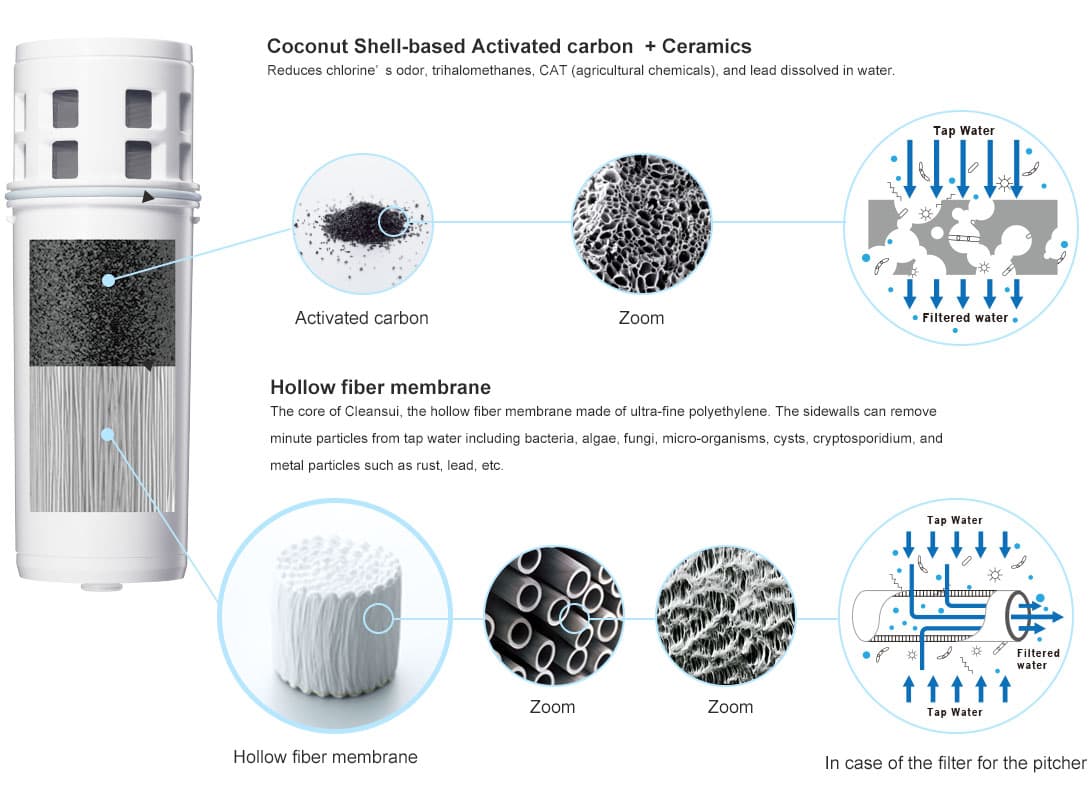
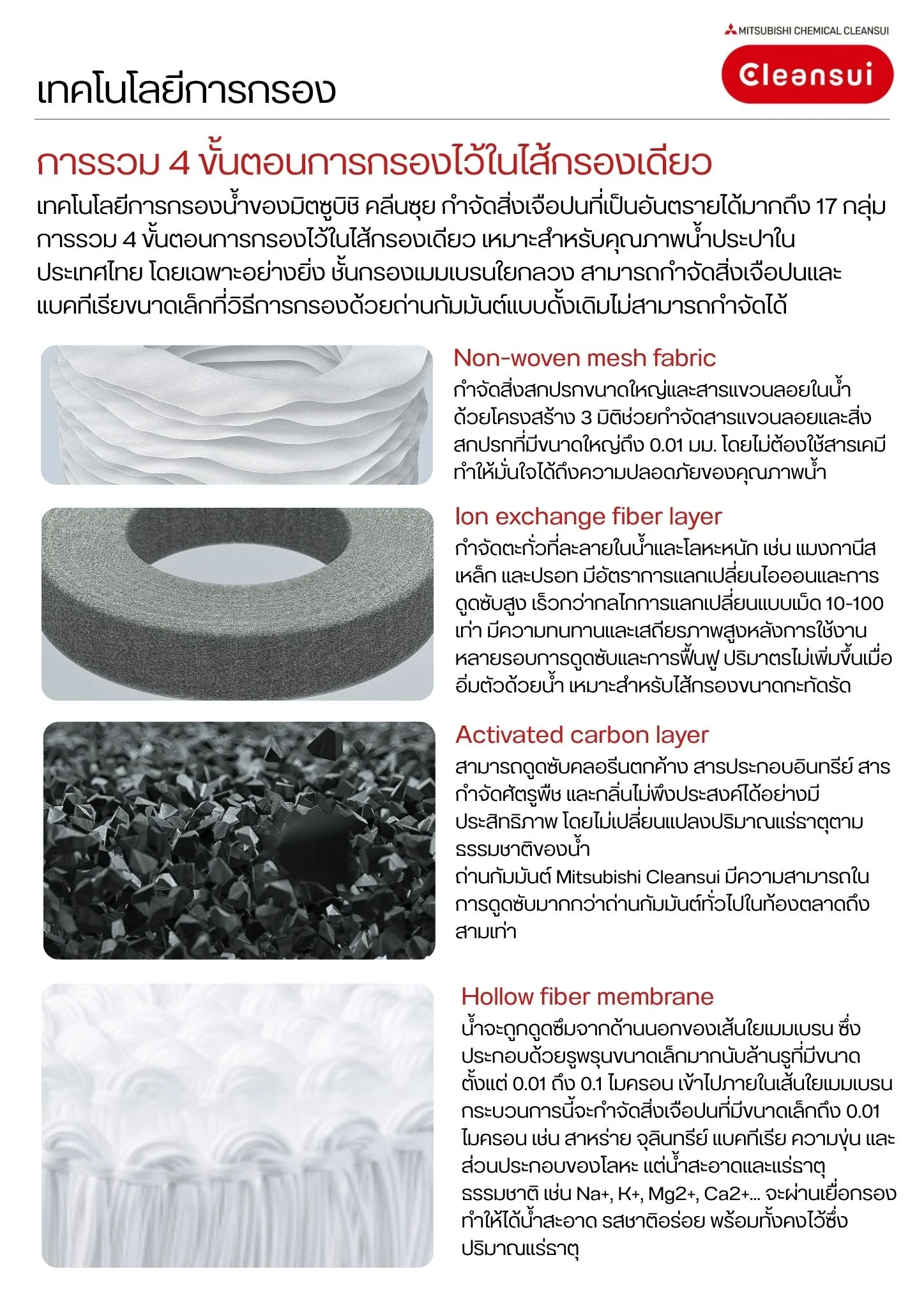
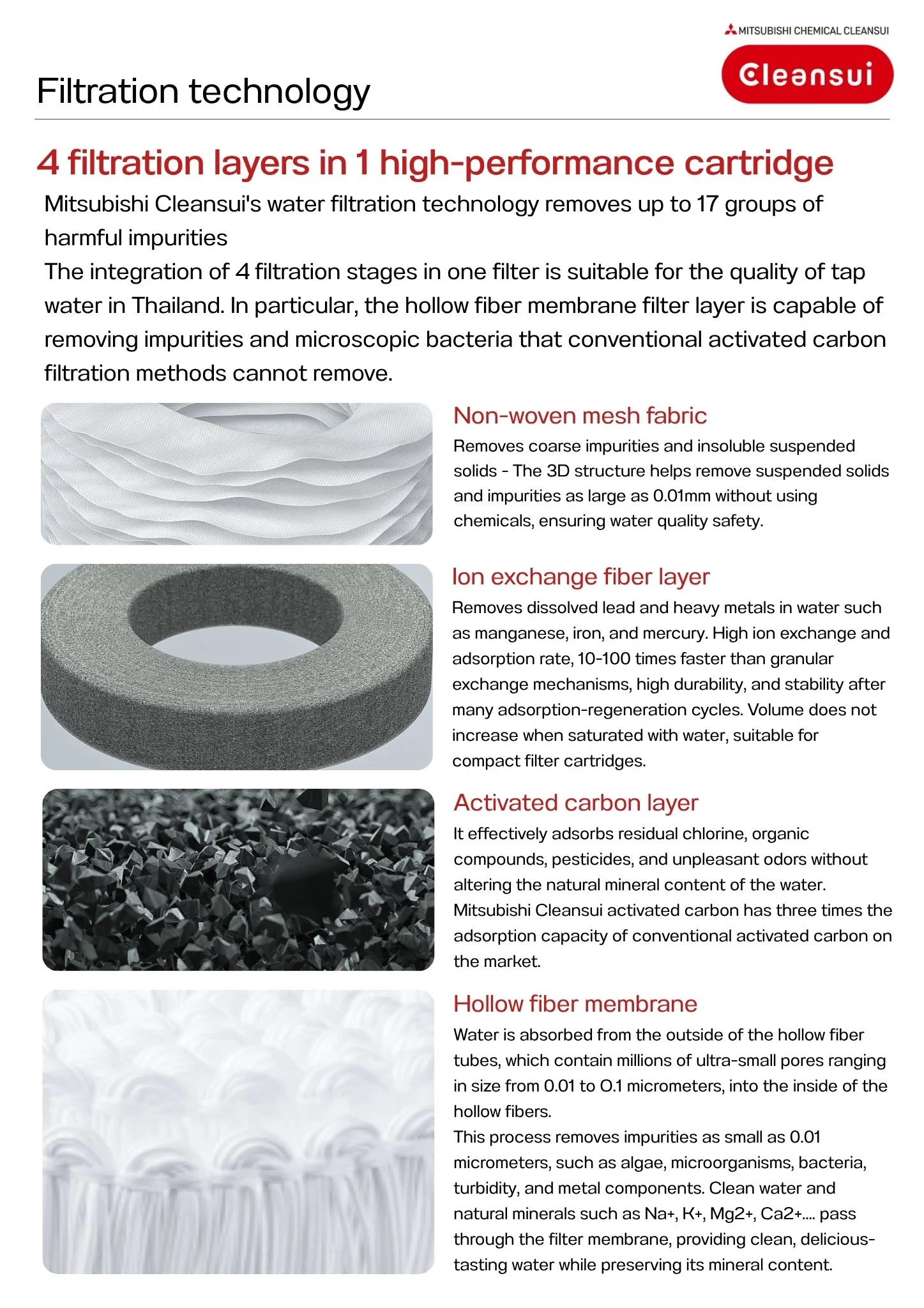
- A special mesh filters out large sediment particles
- Ion-exchange fibers improve the taste of the water
- Activated Carbon to filter out chemicals
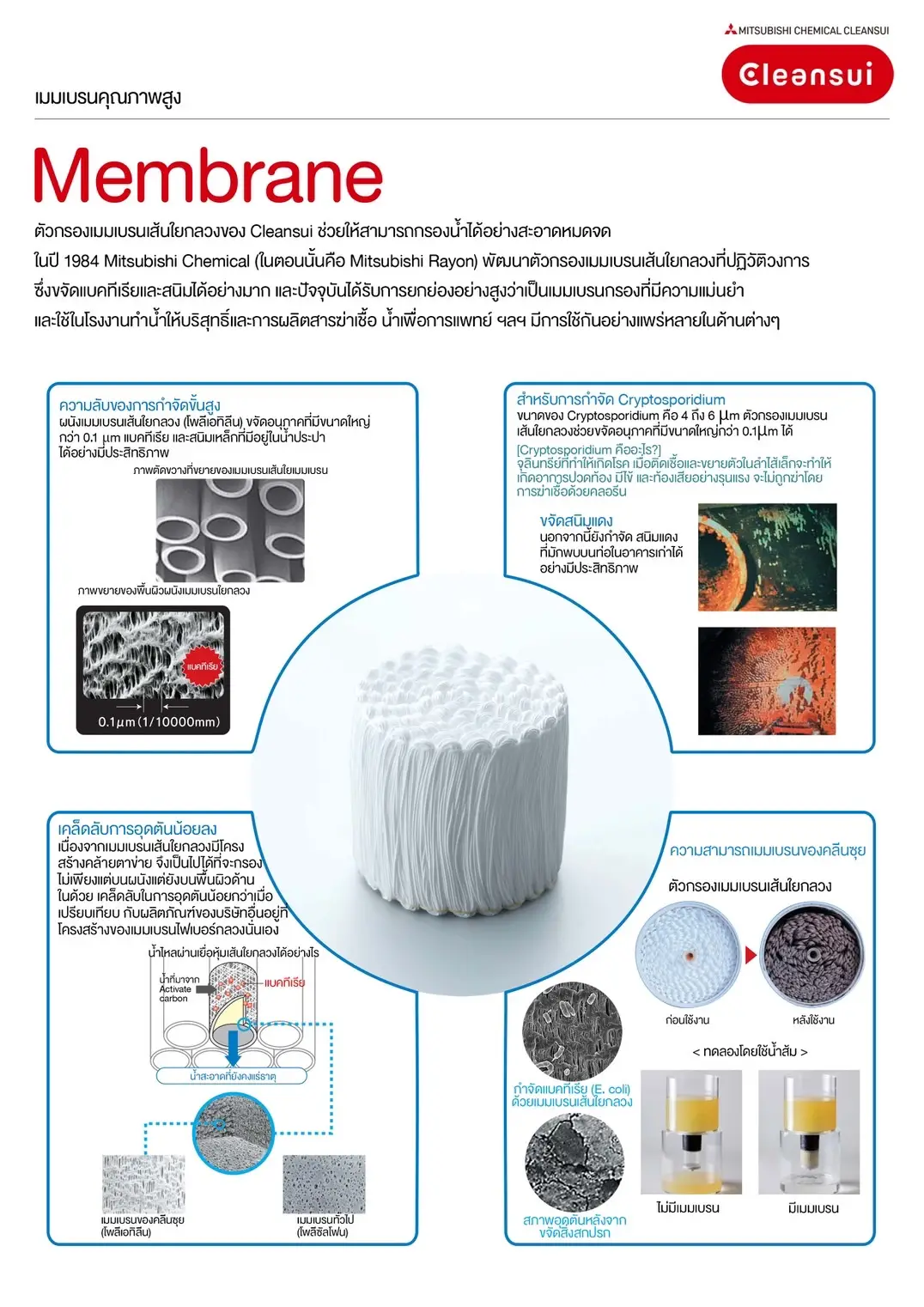
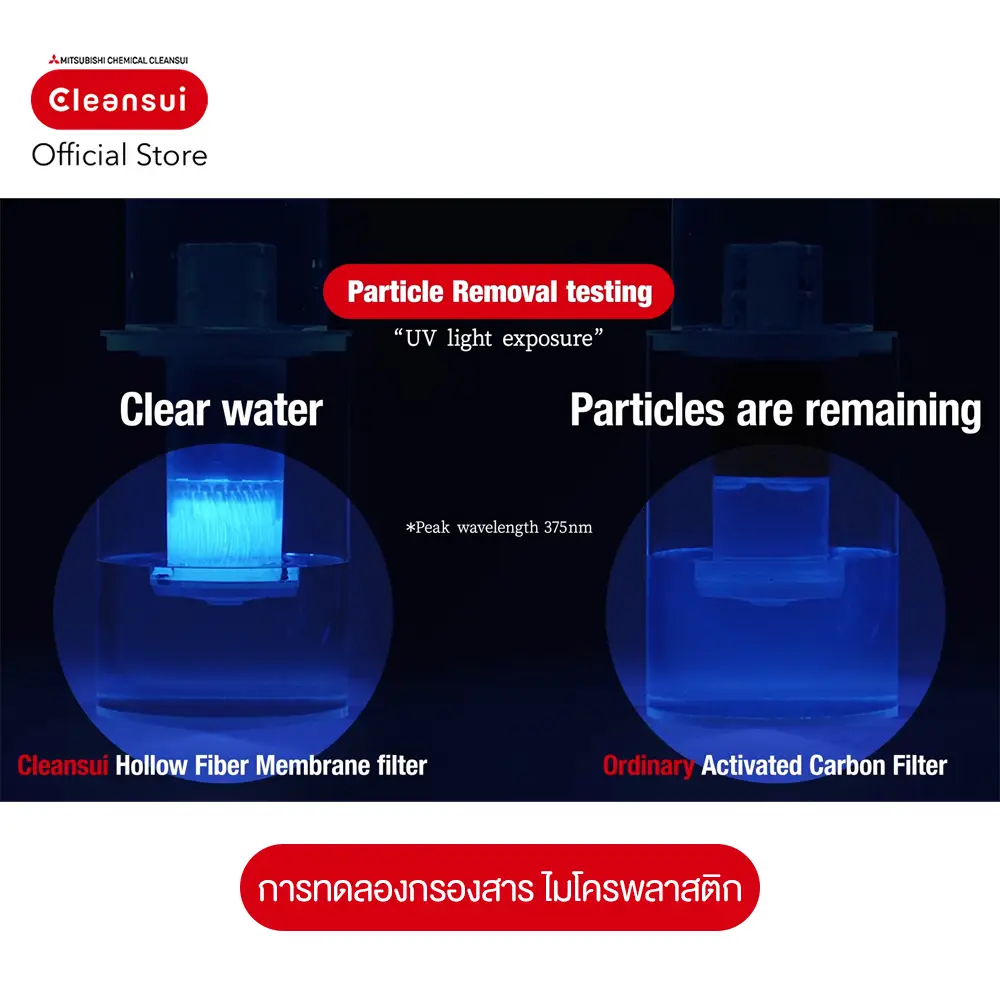
- Fibers that act as a membrane filter, trapping particles and germs as small as 0.01 µm
- High flow: filters up to 3 L / min
- Filtration capacity: 8,000 liters
SUPER HIGH GRADE filtration capacity
Removes up to 17 substances, including:
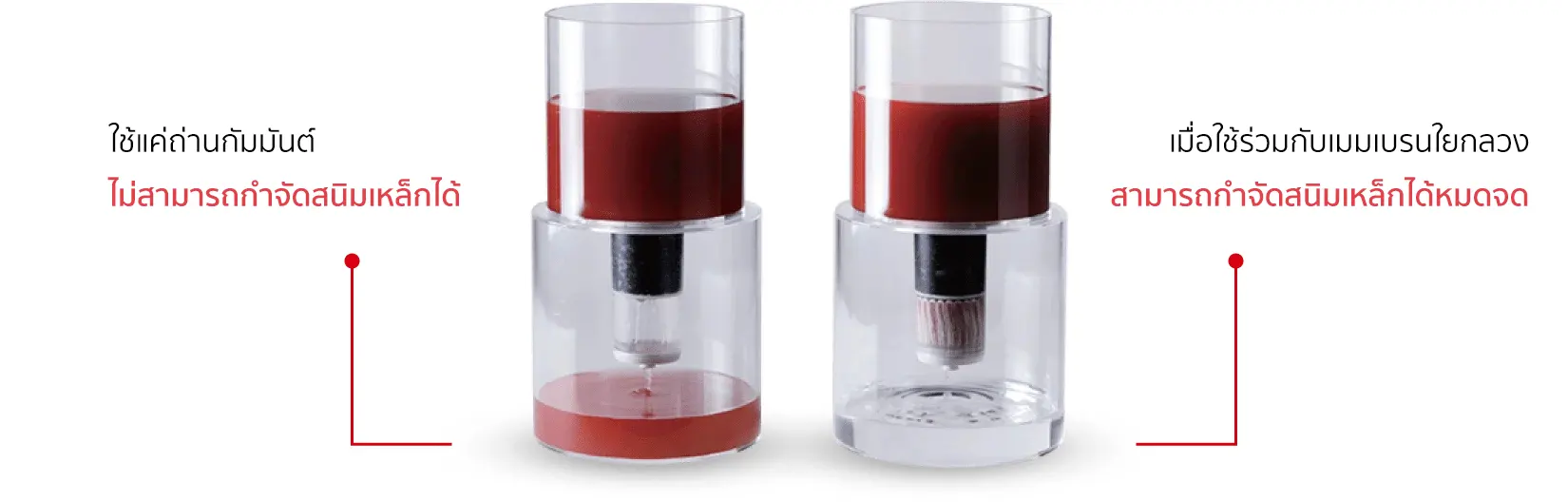
- Turbidity – Thoroughly filters out sediment carried in the water, such as rust, mercury, and bacteria
- Chlorine – Used to kill bacteria and microorganisms in water, but it makes the water taste worse
- Trihalomethanes – Formed when organic matter in tap water combines with chlorine; a carcinogen
- Bromodichloromethane – A type of trihalomethane, and a carcinogen
- Dibromochloromethane – A type of trihalomethane, and a carcinogen
- Bromoform – A type of trihalomethane, and a carcinogen
- Mold odor – Removes unpleasant odors from water
- Agricultural chemicals – Seep in from farm produce grown for quantity rather than quality, through the use of pesticides
- Trichloroethylene – A chemical used in industrial plants. All 3 of these substances affect liver and kidney function and are carcinogenic
- Tetrachloroethylene – A chemical used in industrial plants. All 3 of these substances affect liver and kidney function and are carcinogenic
- Chloroform – A type of trihalomethane, and a carcinogen
- Lead contamination – Harmful to health; it can pass to an unborn baby and affect learning development
- 1,1,1 Trichloroethane – A chemical used in industrial plants. All 3 of these substances affect liver and kidney function and are carcinogenic
- Benzene – A highly flammable liquid chemical
- Anionic surfactants – The main class of chemicals used in cleaning products. They lift dirt and grease well, lather richly, and are inexpensive, but they very easily cause irritation.
- Phenol – A toxic, corrosive, and flammable substance used to make plastics
- Geosmin – A naturally occurring organic compound released by mold-like bacteriaPolyethylene Membrane Properties The membrane inside is extremely fine, trapping particles and germs as small as 0.01 µm (such as those from rust and bacteria) and leaving the water clearer by removing particles larger than 0.01 micron.
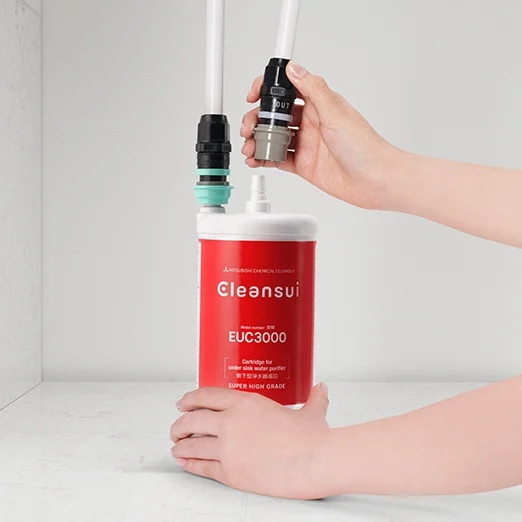
For the best drinking water quality, replace the cartridge at the end of its service life: 8,000 liters or 12 months (Cartridge No. EUC3000)

Reviews
There are no reviews yet.